Traveling Chili
The extraordinary journey that foods made around the world
Ever think about where the food on your table really comes from? Maybe not, but it is sometimes a very interesting story. The fact is that a lot of plants don't originate in the places that are most associated with them. I discovered this when researching a book about Thai food a few years ago (sadly, it was never published). I found out that, although the chili pepper is widely associated with Thai cuisine, the chili plant is not native to Thailand, or even Asia. That discovery, along with the ones that followed, form the basis of this web site.
“Traveling Chili” is the story of the journeys plants have taken around the world, to end up at our supermarkets and on our tables. The facts are sometimes stranger than fiction, and there are even one or two radical make-overs along the way. This site also shares some of the local knowledge I've gained about how some foods are used, and I might even share a recipe or two.
Recent Posts
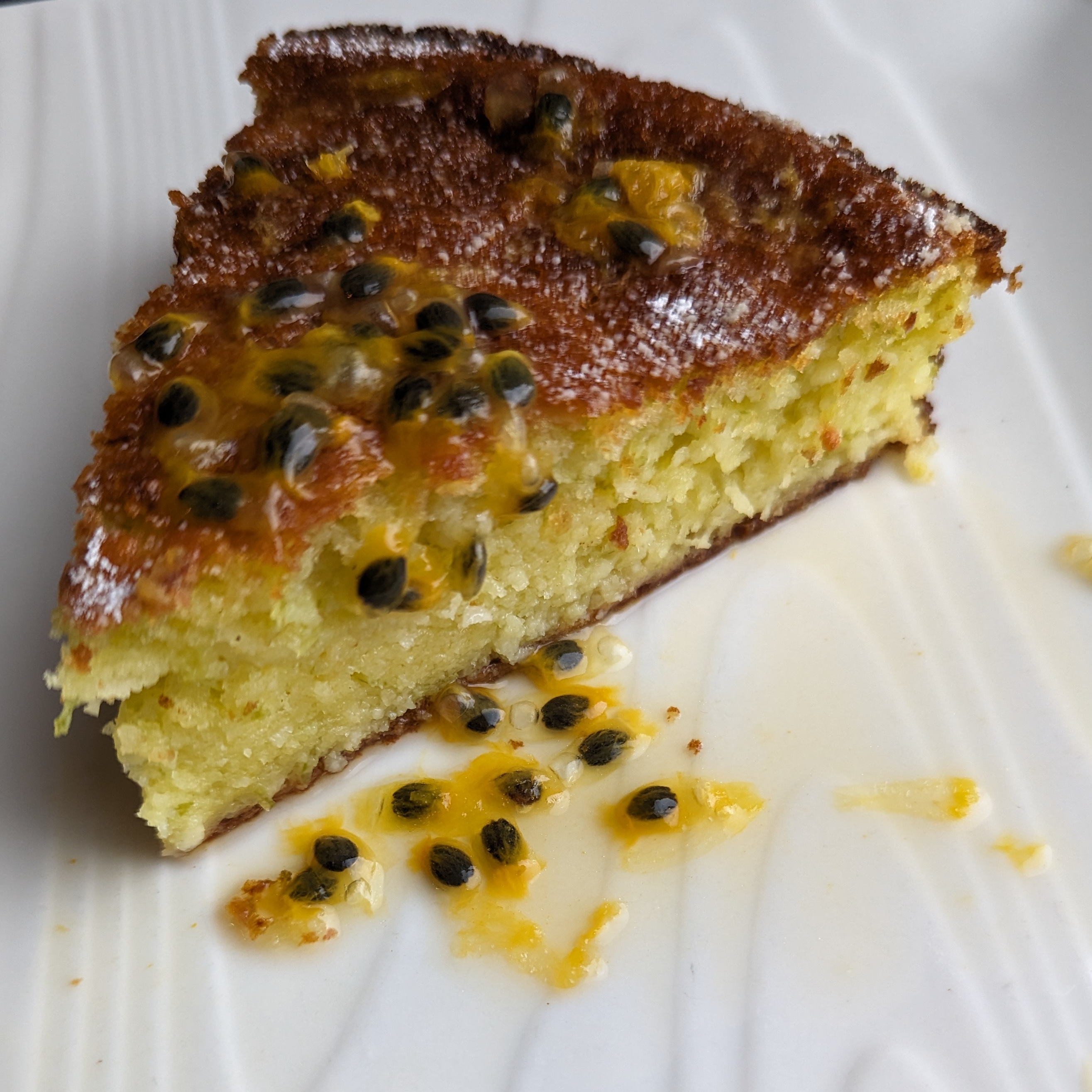
Coconut Lime Cake with Passionfruit Syrup
I've had this recipe bookmarked for many years before I finally got around to trying it out. It's from a book I picked up while still living in Bangkok, The Best of Friends. Friends The Restuarant is a non-profit that works as part of a program for street children, their families and their community in Phnom Penh, Cambodia. I've “Americanized” the recipe with imperial measurements. Fresh coconut and passionfruit pulp should be easy to find in the freezer section of your local Asian grocery.
Read More…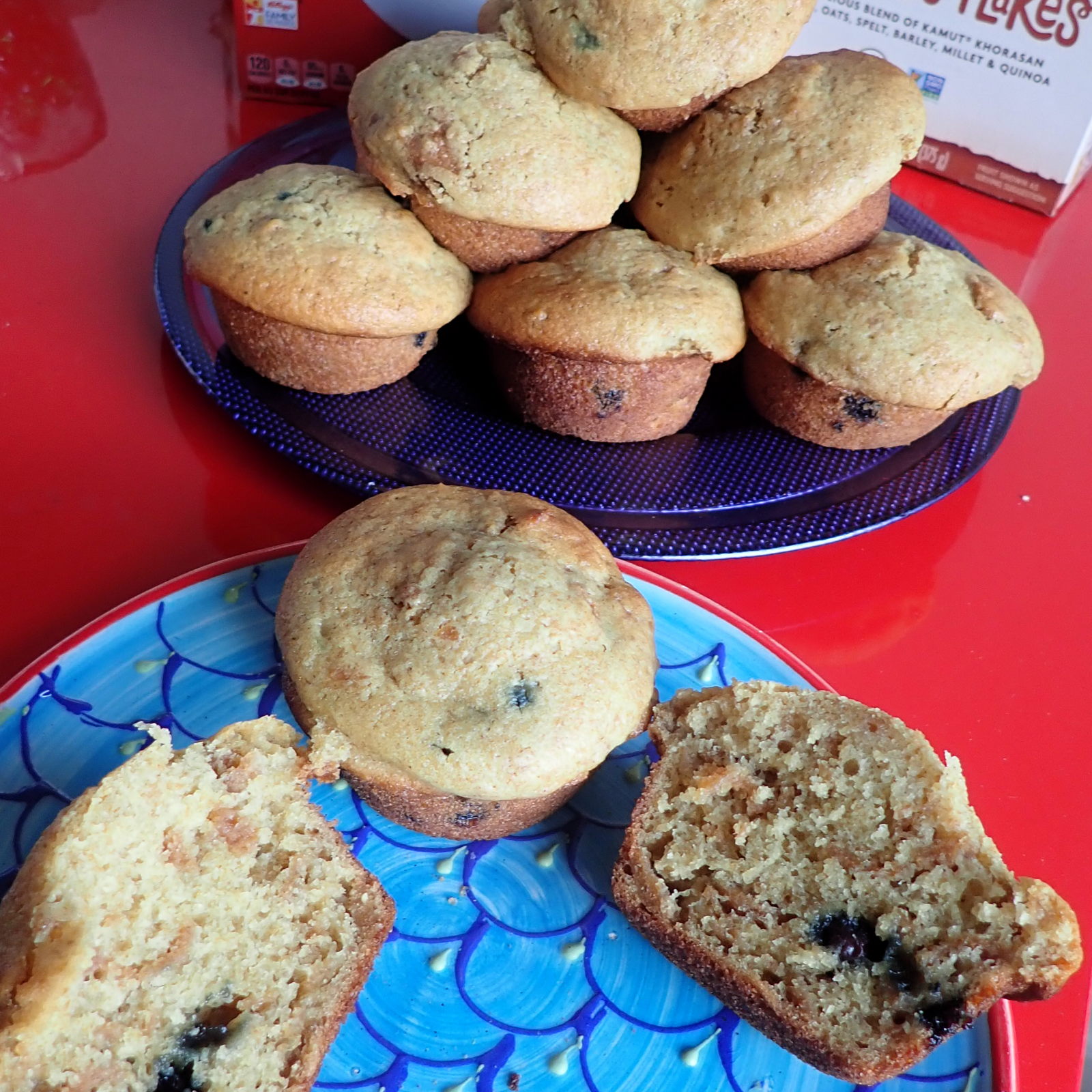
Lazy Day Muffins
This is another old recipe of unknown origin. The main thing to know about this is that it makes a lot of muffins. Fortunately, it also keeps very well in the refrigerator, so you can make up a batch of a dozen or so at a time to have for the weekend, and keep the rest in the ’fridge for the next week. Lazy Day muffins with blueberries You can use bran flakes or raisin bran for the second cereal.
Read More…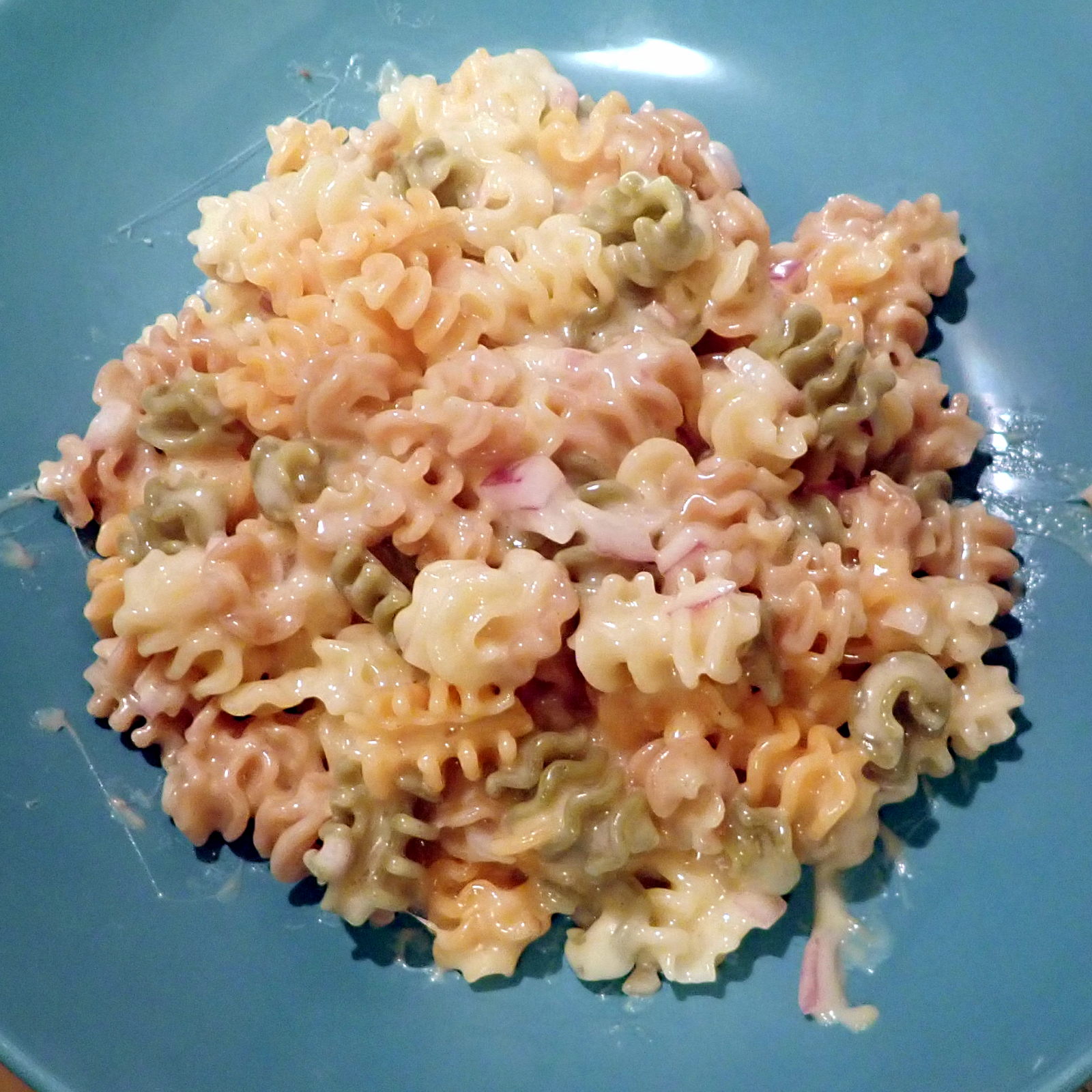
Macaroni & Cheese
During the pandemic, people are turning to comfort food a lot, and it doesn't get much more comfortable than Macaroni & Cheese. I've been making this recipe for over 20 years. The original came from the old Consumer Reports magazine, back when it was in print. I assume they were evaluating boxed kits and offered up this recipe as a better alternative. They weren't wrong. Over time, I've experimented a lot with this basic recipe.
Read More…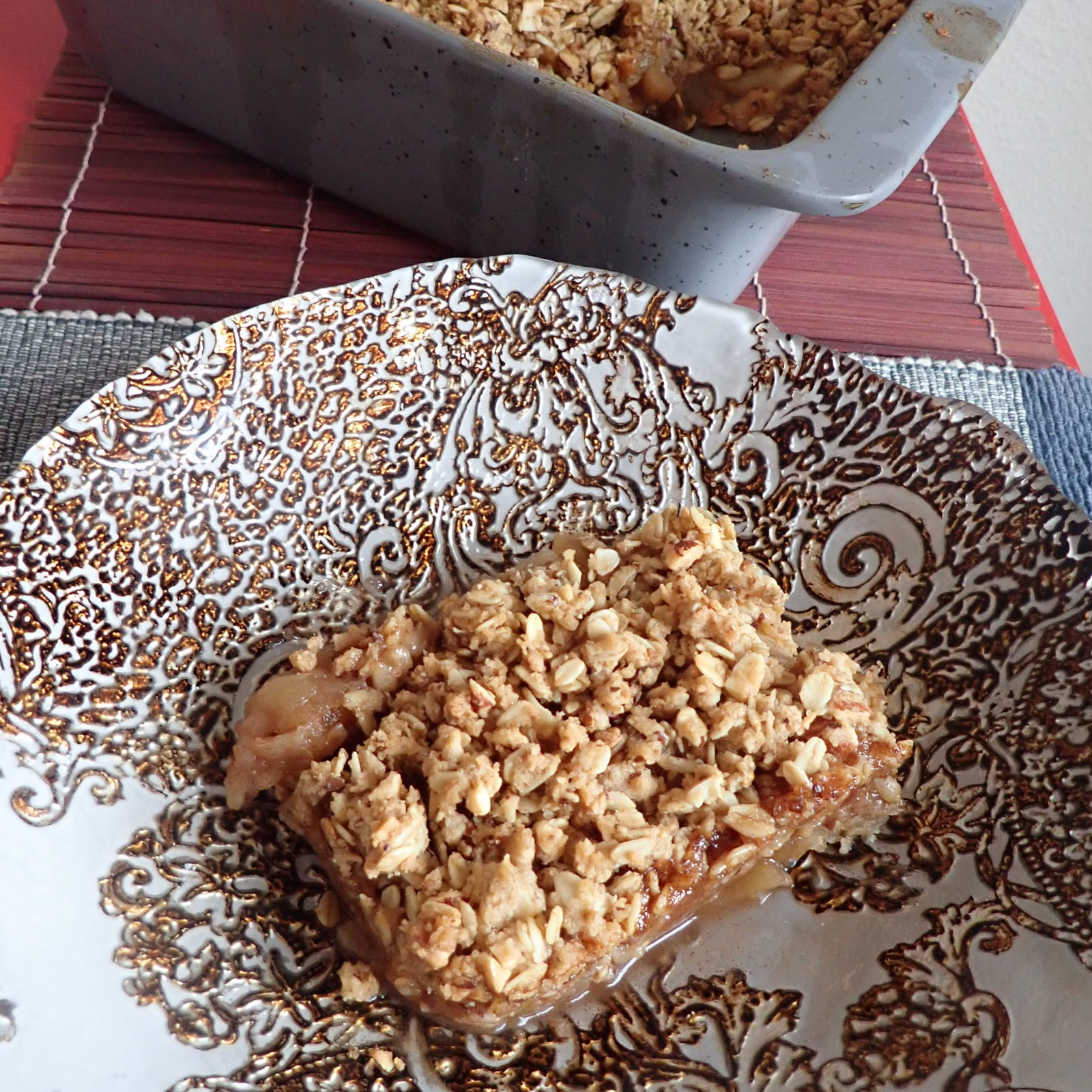
Microwave Apple Crisp
Here's another recipe from my old journal with an unknown source. I'll state right up front that the recipe title is a bit misleading. You do still need an oven for this dish, but using the microwave to “pre-cook” the apples makes this a lot quicker to prepare. Microwave Apple Crisp I liked the toping for this so much I doubled it from what the original recipe called for. The lemon water soak seems to be aimed at keeping the apples from getting too brown when you cook them, and also adds to the tartness of the final product.
Read More…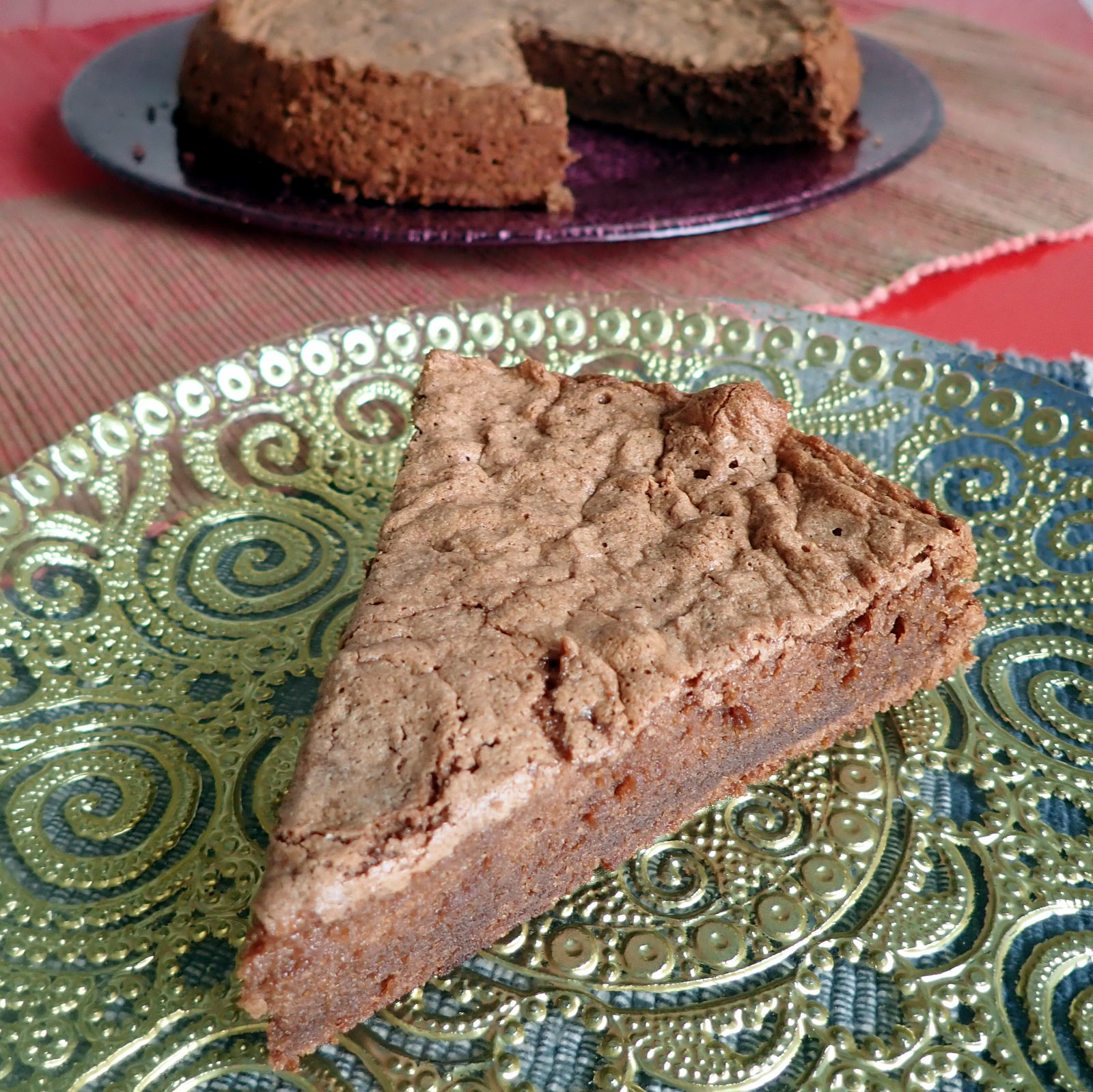
Chocolate Gateau with Port
This is another one of those recipes I've had in my old hand-written journal for a long time, but don't remember ever making. As it happens, I've been exploring the world of ports during the pandemic. I prefer the harder-to-find whites, but for this recipe a nice tawny seemed like it would work best. The recipe didn't specify any frosting, and I quite like the spongy cake on it's own without any other embellishment.
Read More…